Papers & Speakers
Tuesday 23 June
| From McFunerals to Meaningful Farewells Alain Thys, Founder, The Transformation Architects and Tom Wustenberghs, LLM, EMBA, General Manager, Pontes, and Chairman of the Flemish Association of Public Crematoria |
|
|---|---|
When planning the opening of a new crematorium in 2028, Pontes CEO Tom Wustenberghs refused to simply upgrade facilities. Instead, he wanted to reimagine death care from first principles. This presentation reviews the journey from the first decision to innovate farewells to the full experience and architectural briefings that will make the new site a global benchmark, highlighting the valuable lessons learned along the way. |
 In the past few decades, Alain’s teams have influenced the experience of over 500 million customers world-wide, working for brands like Vodafone, Lexus, Grant Thornton and Bordeaux Wines. As founder of The Transformation Architects, Alain is now on a mission to intervene wherever business rules are out of sync with human need, which led him to death care.
  Tom manages three crematoria in the north-east of Belgium. He originally started his career at the bar and worked for 14 years as city manager in a municipality and for the local police. Tom is also Chairman of the Flemish Association of Public Crematoria, is actively involved in the ICF (International Cremation Federation) and ECN (European Cremation Network), is member of the board of a Dutch crematorium, and finally is also a judge in the Court of Labour.
 |
| From Curiosity to Capability: AI in Deathcare, One Year Later Katie Stanley, Commercial Enablement Manager and Courtney Kyle, Product Manager - PlotBox |
|
One year on from our original exploration of AI in bereavement, this session revisits the rapidly evolving role of Artificial Intelligence across society and the deathcare sector. What was once experimental or theoretical is increasingly becoming part of everyday life and work, from content creation and communication to memorialisation and digital support tools. This updated session will examine how AI capabilities have developed over the past year, the opportunities now emerging for bereavement services, and the ethical questions that remain unresolved. With a focus on trust, empathy and responsible adoption, the discussion will encourage delegates to think critically about where AI can genuinely add value, where human connection must remain central, and what the future may hold for the sector. |
 Katie Stanley is the Commercial Enablement Manager at PlotBox, a global leader in technology management solutions for the deathcare sector. With over a decade of tech industry experience, Katie focuses on driving strategic growth and digital adoption within bereavement services. Passionate about the responsible use of technology, her work explores how emerging tools like AI can be leveraged to empower teams, while ensuring trust, empathy, and human connection remain central to care.
  As a Product Manager at PlotBox, Courtney Kyle works closely with bereavement services to build intuitive digital platforms that streamline operations and enhance care. Holding a degree in Computing and Information Technology, she specializes in balancing advanced tech capabilities with real-world sector needs. Courtney’s session examines the changing landscape of AI, highlighting where these emerging digital support tools can add genuine value and where human empathy must remain irreplaceable.
|
| Terramation in the UK and the Evolution of Sustainable Funeral Practices Simon Holden, CEO, Faunus Group |
|
An update on the UK designed and engineered terramation system, operating in the US. A look at how and when this may arrive in the UK and the broader evolution and rise in popularity of greener funeral practices. |
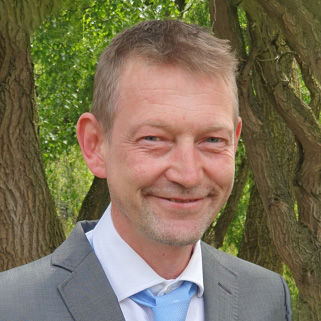 Simon has a passion for sustainability and building businesses that provide workable solutions to environmental problems.
He has been instrumental in the founding and development of the Faunus Group companies, who provide sustainable solutions and break boundaries within the funeral sector. |
Wednesday 24 June
| Insuring for the after-life: funeral practices through prehistory Dr John Mitchell, BA, MSt, DPhil (Oxon), Managing Director, Wessex Insurance Brokers Ltd |
|
|---|---|
A brief tour of evolution of funerary practices from prehistoric to modern times. |
|
| Raising Standards: The Next Chapter In Funeral Regulation David McLaren, Managing Director – At Need, Pure Cremation Limited |
|
This session explores funeral regulation from the perspective of those delivering services on the front line. Drawing on operational experience across the At-Need journey, it examines where current frameworks fall short, the risks this creates for the public and the profession, and why meaningful, proportionate regulation is now essential. |
|
| Scottish Regulations Update 2026 David McNaughton, NAFD (DipFA), QICCM (DipHons), National Operations Manager, Horizon Cremation |
|
2026 marks a significant formalisation in how bereavement services are regulated in Scotland. This session explores the key changes, including new forms, register requirements, burial updates, and hydrolysis, with a clear focus on operational reality and what these developments mean for the future of the sector. |
David holds diplomas from the NAFD and ICCM, earning the Eickhoff Medal for academic excellence. As a TEST Assessor and Inspector for the FBCA, he remains committed to raising industry standards and supporting staff development across the sector. |
| Designing Change: Creating Cyprus’ First Crematorium in a Traditionally Burial-Led Culture Mark Doohan, BA(Hons), DipArch, RIBA, ARB, Managing Director, Benchmark Architects |
|
Benchmark Architects will present the story behind Cyprus’ first licensed crematorium, Golden Leaves near Paphos; a landmark project marking a significant cultural, legislative and architectural milestone. Led by crematorium specialist Mark Doohan, the keynote explores the decade-long journey from the legalisation of cremation in 2016 to the delivery of a sensitive, sustainable and modern facility, shaped by shifting attitudes, environmental concerns and demand from expatriate and non-Orthodox communities. The session will cover planning, environmental compliance, cultural consultation and public perception, while highlighting how thoughtful architecture can respect religion, tradition, climate and landscape to create meaningful spaces for remembrance, dignity and choice. |
Alongside his professional work, Mark serves as a trustee of a small charitable organisation that provides summer holiday camps for children. |
| Overview of Department for Work & Pensions Employer Initiatives Lucy Bowman, National Recruitment and Partnership Consultant, Strategic Relationship Team, Department for Work and Pensions |
|
This session will provide an overview of the Department for Work & Pension’s current priorities, and the services and initiatives that can be accessed by employers to support recruitment. |
|
| Law Commission’s Report on Burial and Cremation, and Forthcoming Work Professor Lisa Webley, Law Commissioner, Law Commission of England and Wales |
|
The Law Commission published its final report on reform of Burial and Cremation law in March this year. Hear about its recommendations to government for reform, and about the final phase of its work on Rights and Obligations relating to Funerary Methods, Funerals, and Remains. |
|
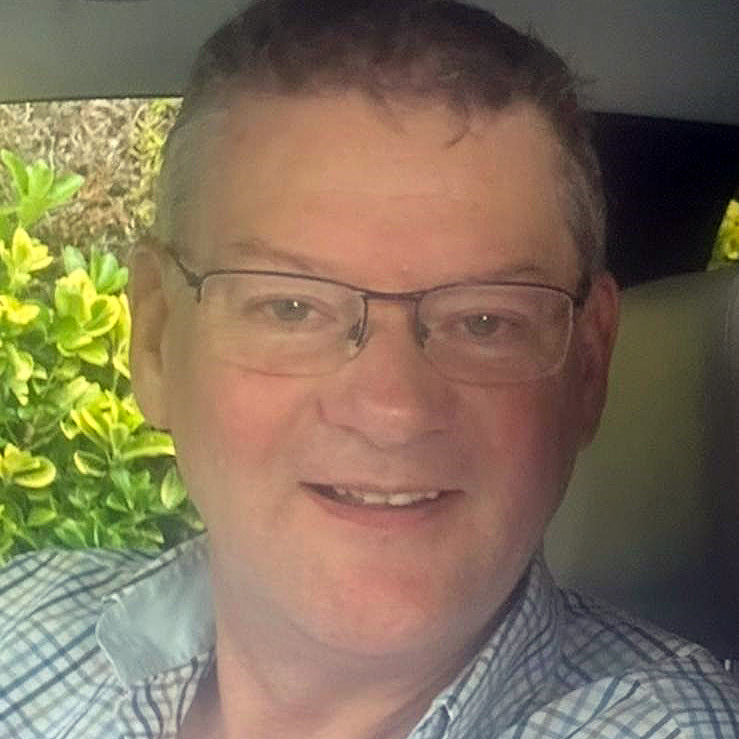 Dr Mitchell began his career as an academic archaeologist, studying at the Universities of Bristol and Oxford and at the British School of Archaeology in Athens, before moving into insurance. Since 2018 he has been Managing Director of Wessex Insurance Brokers Ltd, which designs bespoke insurance products for niche sectors including commercial archaeology and community and charity groups and business associations including the Funeral Suppliers Association and the British Engineering Manufacturers’ Association.
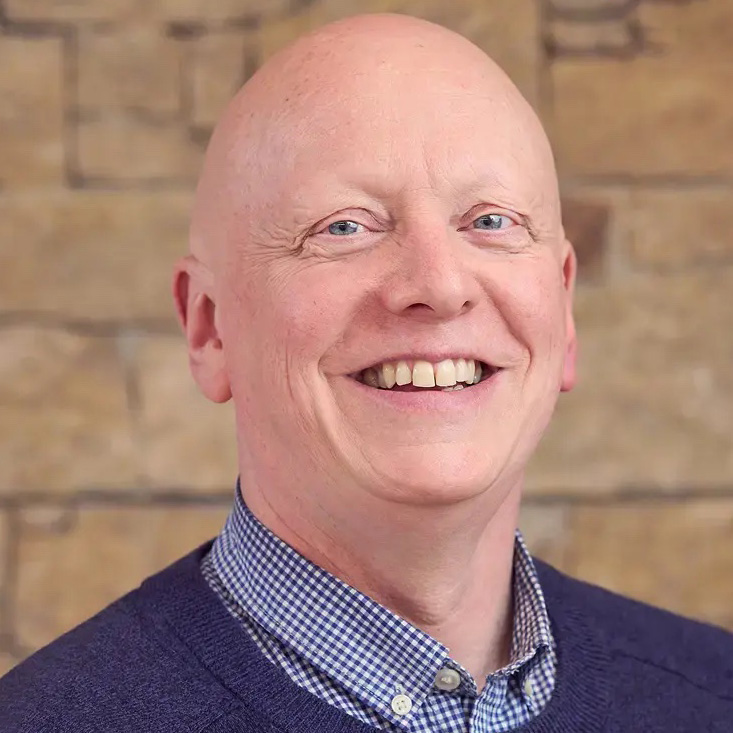 David McLaren is the Managing Director – At Need at Pure Cremation Ltd, where he leads the end-to-end delivery of services to families across the UK. With a strong operational background, he has spent his career working closely with frontline teams, shaping processes that balance efficiency with compassion. David is actively involved in sector-wide discussions on regulation and standards, advocating for a framework that prioritises dignity, transparency and public trust, while remaining practical for those delivering care every day.
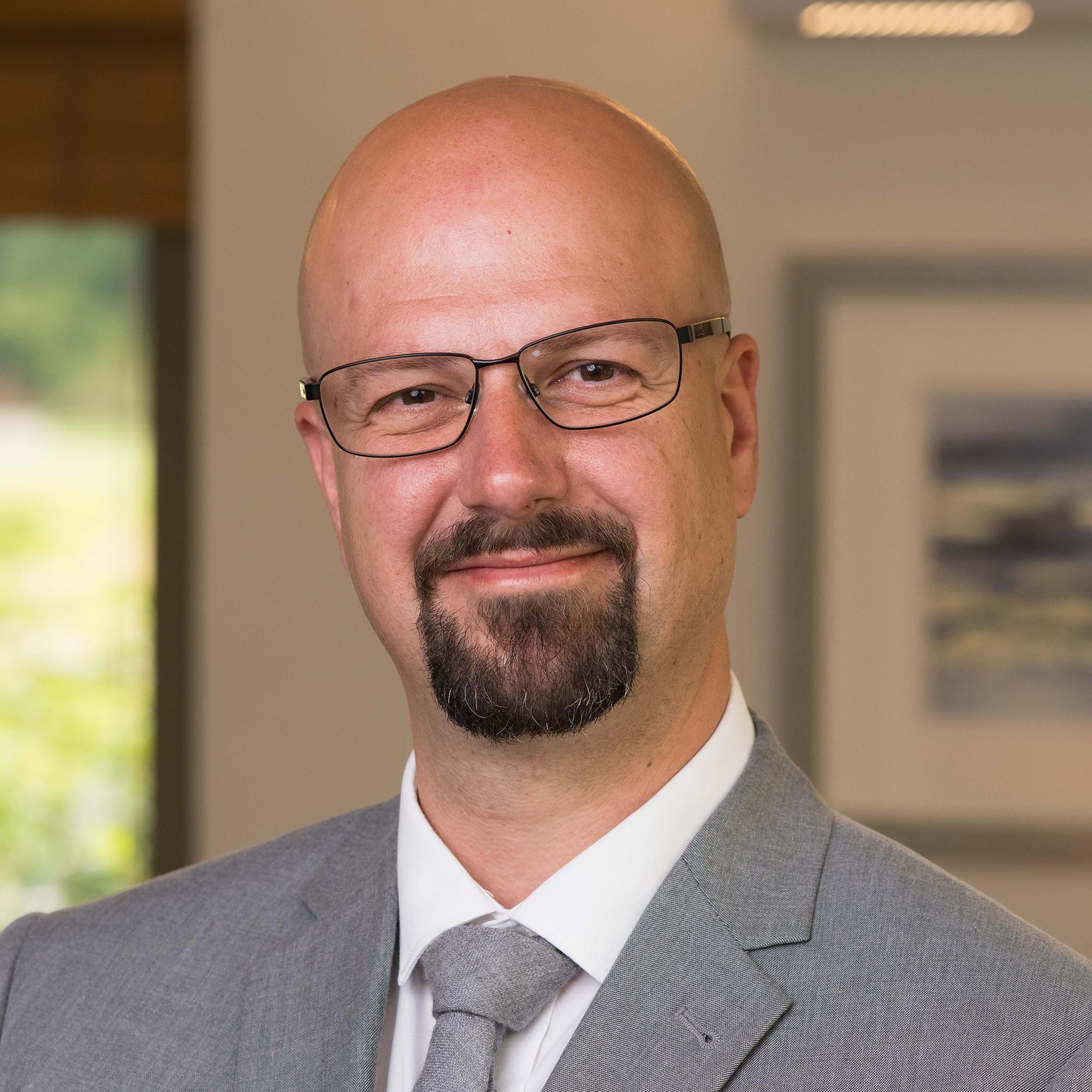 David McNaughton is an award-winning leader in bereavement services across crematorium operations, funeral direction, and strategic service development. He is currently UK Operations Manager, overseeing multiple crematoria and driving performance, compliance, and growth across the business.
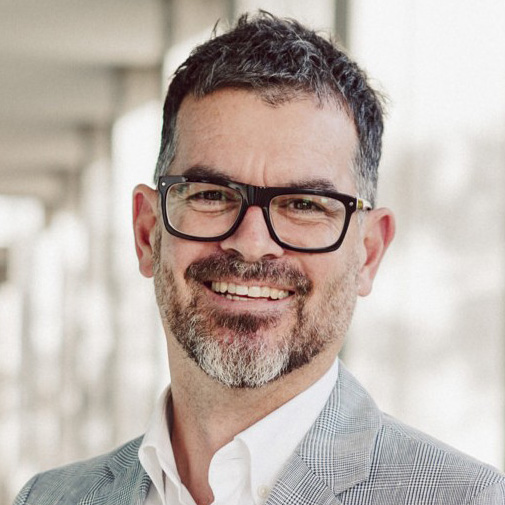 Mark Doohan is a RIBA Chartered Architect and Managing Director of Benchmark Architects, a UK-wide commercial architecture and design practice. With more than 20 years’ experience in the architecture and construction industry, Mark has extensive expertise in building design, development, and the management of complex projects. He has led numerous city and town centre mixed-use regeneration and urban redevelopment schemes, with a strong focus on master planning and placemaking.
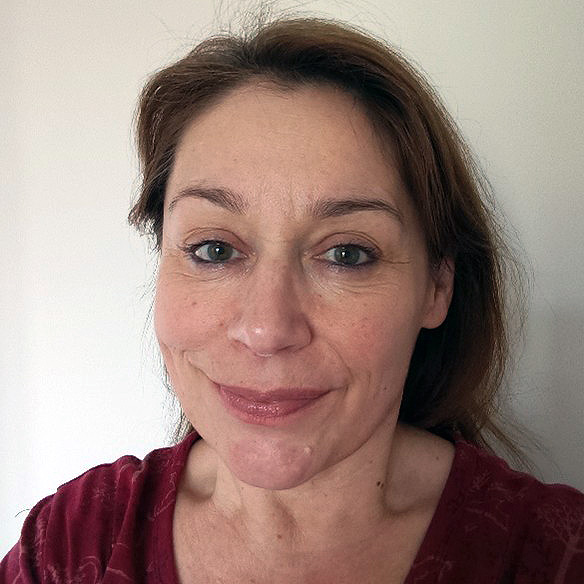 Lucy Bowman works in the Department for Work and Pension’s Strategic Relationship Team. She has worked for the department for over 30 years in a wide variety of roles, including front-line operations, employer and partnership engagement, and policy. Her current role, as a National Recruitment and Partnership Consultant, involves working in partnership with employers and external stakeholders on shared objectives, creating opportunities that transform DWP customers’ lives.
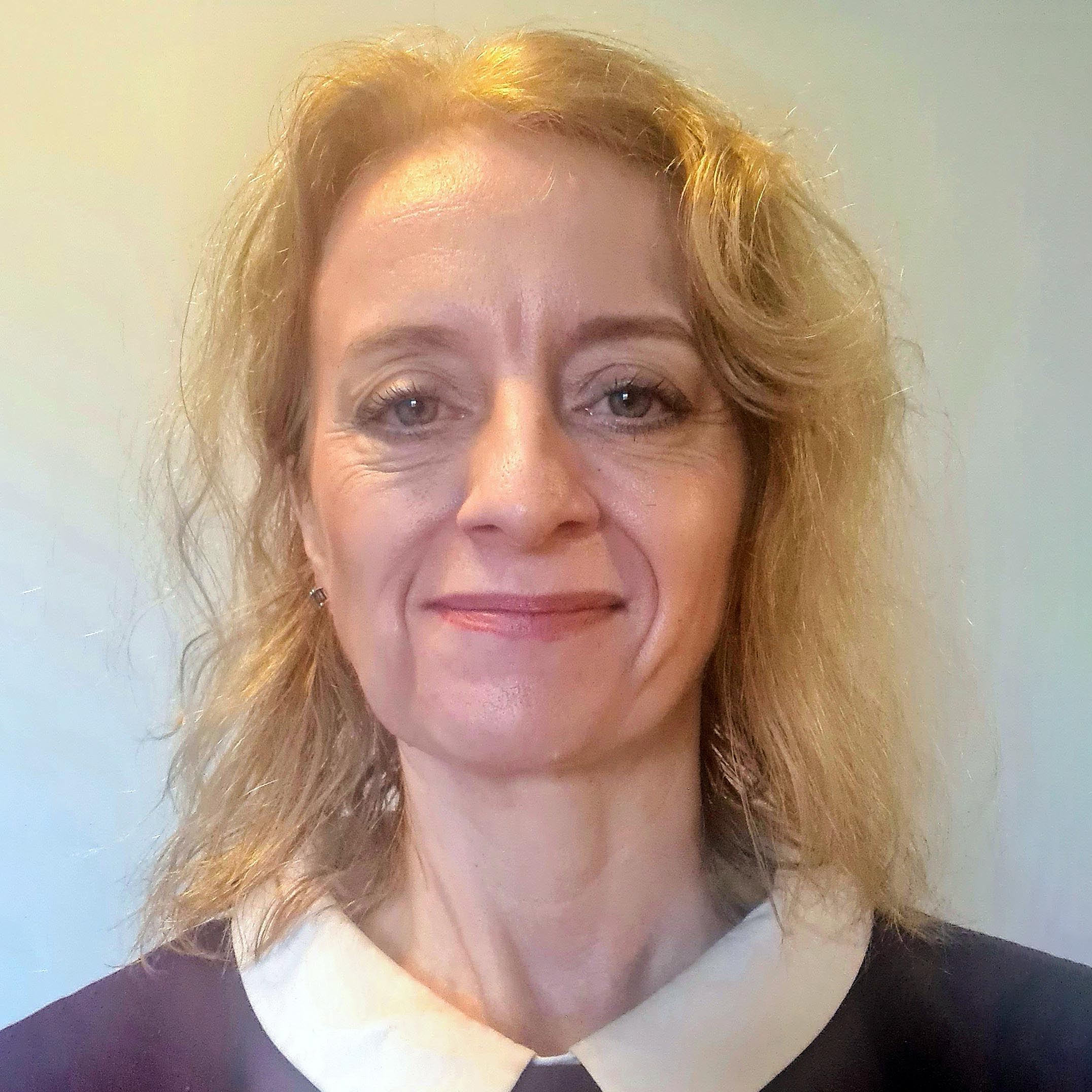 Professor Lisa Webley is the Law Commissioner for Property, Family and Trust Law. She joined the Commission in September 2025. She is also the Chair in Legal Education and Research at the University of Birmingham and an Associate Senior Research Fellow at the Institute of Advanced Legal Studies, University of London.
Thursday 25 June
| Coroners, Burial and Cremation Policy: Update and Forward Look Terry Davies, Deputy Director – Death Management, Inquiries and Coroner Policy, Ministry of Justice |
|
|---|---|
This presentation will provide a progress update on the Ministry of Justice’s activities within the death management space and provide an overview of the programme of work they are looking to take forward over the coming months. |
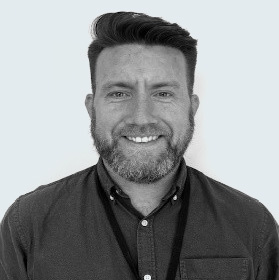 The unit’s core purpose at the Ministry of Justice is to uphold the dignity of the deceased and to ensure support for their loved ones through our responsibility for a wide range of relevant policy and casework areas.
We seek to provide a framework for burials, cremations and emerging alternatives that is modern and fit for purpose. The unit seeks to ease the burden for grieving parents by administering the Children’s Funeral Fund for England efficiently and with compassion. In addition, Terence is also responsible for coroner law and policy, and works collaboratively with the Chief Coroner, her office, coroners and local authorities to ensure that coroner services are delivered effectively and that bereaved families remain at the heart of the system. |
| ICF: Building the global network for cremation expertise Tom Wustenberghs, LLM, EMBA, General Manager, Pontes, and Chairman of the Flemish Association of Public Crematoria |
|
The ICF Orientation Paper outlines a future-oriented working model for the International Cremation Federation. It argues that ICF should become the global infrastructure layer for cremation expertise, without competing with national or regional organisations. ICF can add value where international scale, neutrality and comparability are essential. The proposed model focuses on global standards, ethics, data, sustainability, innovation, policy and crisis coordination. It introduces seven flagship deliverables, including a Global Cremation Practice Standard, a World Cremation Observatory and a Sustainability & Innovation Lab. A roadmap shows how ICF can move from quick wins and pilot projects to mature global services. The presentation invites British stakeholders to help shape ICF as a shared platform for public trust, professional standards and international credibility. |
Tom manages three crematoria in the north-east of Belgium. He originally started his career at the bar and worked for 14 years as city manager in a municipality and for the local police. Tom is also Chairman of the Flemish Association of Public Crematoria, is actively involved in the ICF (International Cremation Federation) and ECN (European Cremation Network), is member of the board of a Dutch crematorium, and finally is also a judge in the Court of Labour.
|
| Supporting the bereaved to make informed choices Sophie Hadley, ACIM, Business Owner and Marketing Specialist, SH Marketing |
|
This talk explores the gap between care and communication within bereavement services, and the lasting impact of “I didn’t know that was an option” to the bereaved. Using marketing as a tool and through reflections on choice, grief, and responsibility, the session aims to challenge how professionals communicate with bereaved families before, during, and after loss. The presentation argues that effective bereavement marketing is not about promotion, but about ensuring people are informed, empowered, and able to make decisions they can live with, while also considering the opportunities and risks presented by emerging technologies such as AI. |
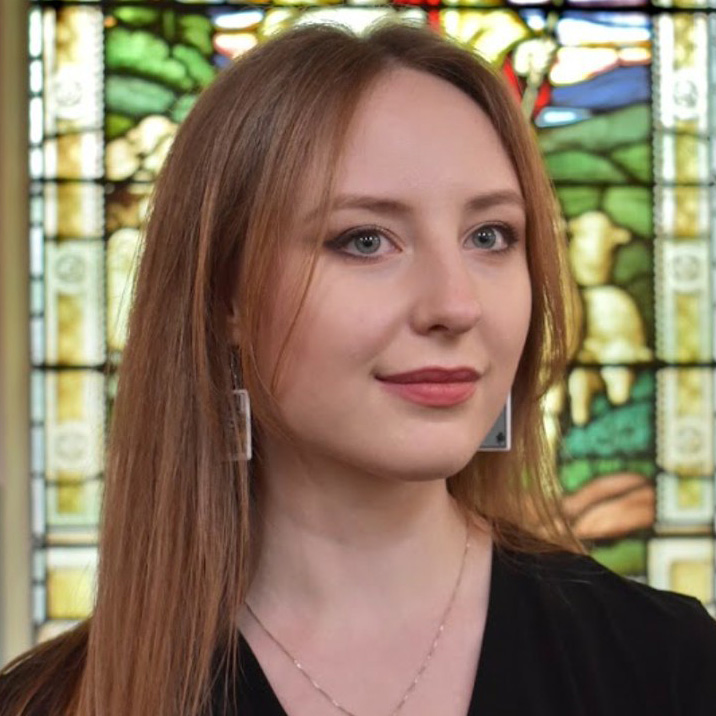 Sophie Hadley is a bereavement marketing specialist with more than 10 years of experience in the funeral sector. Combining extensive hands-on industry knowledge with professional marketing qualifications from Oxford College of Marketing, she founded SH Marketing to provide tailored marketing and communications support to funeral businesses and bereavement organisations across the UK. Over the course of her career, Sophie has worked on a range of projects within the sector, including managing the marketing for The National Funeral Exhibition. In 2024, SH Marketing was recognised with the Good Funeral Award for Best External Supplier to Funeral Industry. Today, Sophie supports clients with their branding, communications, and marketing strategy, helping businesses communicate clearly and professionally with the audiences they serve.
|
| The archaeology of death with case study HS2 Ltd Phase 1, Park Street Burial Ground, Birmingham Katie Rees-Gill, BA(Hons), MA, MCIfA, Associate Director, Head of Heritage Operations, AtkinsRéalis Alan Ford, BA(Hons), MCIfA Associate Director, Head of Archaeological Services, AtkinsRéalis |
|
The joint presentation will explore how people in the UK have historically dealt with their dead, highlighting a range of unusual and sometimes surprising practices. What can we learn of our past societies through studying their burial practices and the locations used to house their dead? What research do archaeologists undertake to understand burial sites and how does this add to our knowledge using a case study from the HS2 Ltd Phase 1 project: Park Street Burial Ground in Birmingham. |
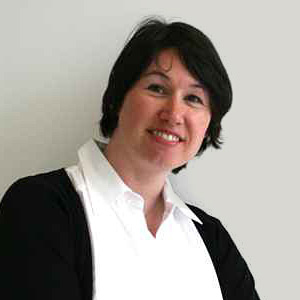 Katie has 26 years’ experience within the Heritage profession. She works throughout the UK and internationally, delivering highly sensitive heritage projects of international significance. She is passionate about community engagement and heritage place-making in design solutions that meet our 21st century needs. She was the Technical Lead for the HS2 Phase 1 Park Street Burial Ground Desk Based Assessment, which led to the informative excavations prior to the construction of HS2 into Curzon Street.
|
| From Publication to Practice: Implementing the New Crematoria Guidance Note PG5/2(25) Richard Williams, BSc(Hons), EHRB, DipANC, Manager and Chidiebere Igwebuike, Senior Advisor, Local Authority Unit, Environment Agency |
|
The presentation will explain the key requirements of the new Crematoria Guidance Note PG5/2 (25), including key milestones and regulatory timeframes. The session will translate the policy and regulatory requirements of the new guidance into operational reality, setting out how the guidance should be interpreted by regulators and implemented by operators, and how regulatory decisions should be applied consistently in practice. |
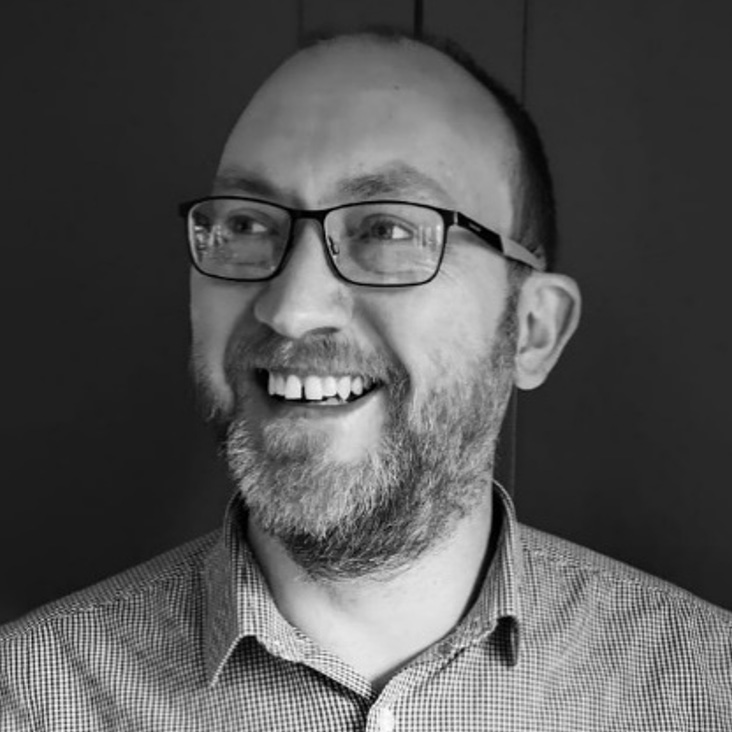 Richard is an Environmental Health Officer who has a long career of managing local government pollution control functions. He is currently the Local Authority Unit (LAU) Manager which oversees the development and implementation of technical standards for Part B and A(2) industrial regulation on behalf of DEFRA & Welsh Government. He is also a permanent member of the National Regulators Group and oversees the co-ordination of Local Government participation with the UK-BAT process which sets emission standards for heavy industry. He is also a visiting lecturer at Birmingham University.
Chidiebere Igwebuike is a Senior Advisor in the Local Authority Unit (LAU) of the Environment Agency, where he provides technical and permitting advice to Local Authorities in England and Wales on the activities they regulate, including the cremation of human remains. He holds an MSc in Energy and Environmental Management and has over eight years' experience in Environmental Permitting. Chidiebere played a leading role in the recent review and development of the Crematoria Guidance Note PGN 5/2(25), working closely with equipment manufacturers, industry representatives, and regulators. He is also actively supporting Regulators with the practical interpretation and effective implementation of the updated guidance. |
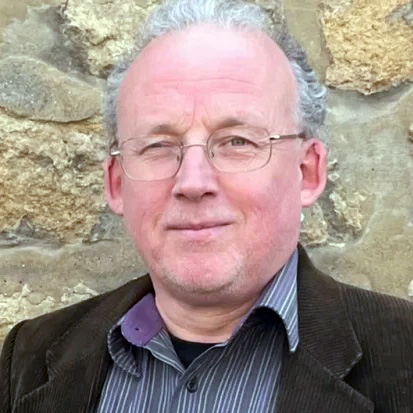 Alan is an archaeologist with a career spanning from the early 1980s through to the present day. In the early 2000s Alan largely hung up his trowel and has since been working in archaeological and heritage consultancy. Alan was involved in the early assessment of St Mary's Church and burial ground at Stoke Mandeville for HS2, and is currently the archaeological lead on the A66, where a range of cemetery sites, from Bronze Age through to Early Medieval, are currently under investigation.